As Bengaluru’s technology ecosystem accelerates, Karnataka’s overall exports climbed 9.5% year-on-year to reach ₹19.7 lakh crore in FY26, solidifying the state as a dominant trade engine. With high-tech electronics, aerospace parts, and pharmaceuticals shipping daily, a single defective batch can trigger costly custom holds or rejections.
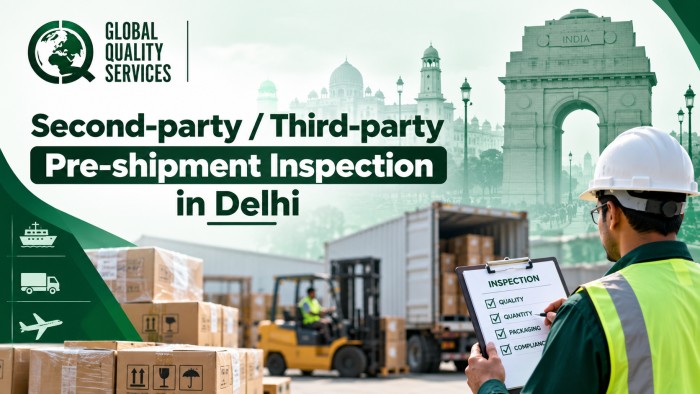
Conducting a rigorous Second-Party or Third-Party Pre-Shipment Inspection (PSI) guarantees that your cargo meets international compliance standards before leaving factory floors in Peenya or Electronic City.
Partnering with an expert inspection consultant removes regulatory guesswork from your supply chain. Consultants establish precise AQL defect limits, coordinate impartial field audits, and resolve quality bottlenecks before dispatch, protecting your global brand reputation and ensuring seamless export clearance.
What is Pre-Shipment Inspection
A Pre-Shipment Inspection (PSI) is a structured quality control check performed when at least 80% of your production order is packaged and ready for dispatch. It verifies that finished goods match your purchase order parameters, safety standards, and regional regulatory mandates.
Inspections prevent sub-standard goods from reaching international ports, giving global buyers and local manufacturers peace of mind before settling final payments.
Why Pre-Shipment Inspection is Vital for Bengaluru Manufacturers
- Eliminates Expensive Global Recalls: Catching defective product batches at industrial sites in Jigani or Bidadi costs a fraction of handling overseas cargo returns from Europe or North America.
- Unlocks Letter of Credit (LC) Funds: International banks require an independent inspection certificate before releasing funds under strict letter-of-credit terms.
- Protects Supplier Ratings: Consistently delivering defect-free consignments improves your vendor tier rating with global original equipment manufacturers (OEMs).
- Ensures Smooth Customs Clearance: Verified export documentation and compliant barcoding prevent hold-ups at Bengaluru Airport cargo terminals or Chennai port docks.
Understanding Second-Party vs. Third-Party Inspections
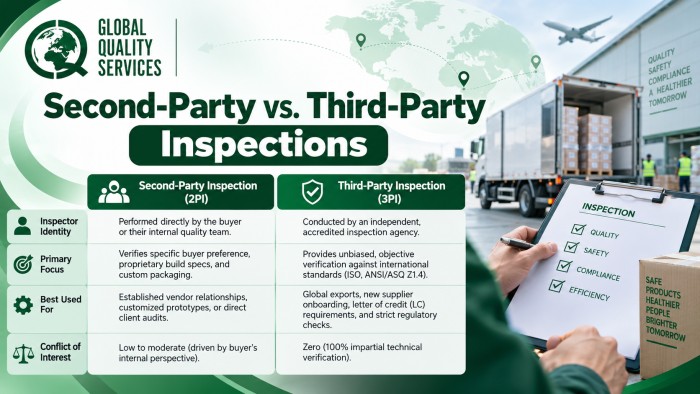
Choosing between second-party and third-party inspection models depends on your contract requirements, buyer relationships, and risk management strategies:
| Feature | Second-Party Inspection (2PI) | Third-Party Inspection (3PI) |
| Inspector Identity | Performed directly by the buyer or their internal quality team. | Conducted by an independent, accredited inspection agency. |
| Primary Focus | Verifies specific buyer preference, proprietary build specs, and custom packaging. | Provides unbiased, objective verification against international standards (ISO, ANSI/ASQ Z1.4). |
| Best Used For | Established vendor relationships, customized prototypes, or direct client audits. | Global exports, new supplier onboarding, letter of credit (LC) requirements, and strict regulatory checks. |
| Conflict of Interest | Low to moderate (driven by buyer’s internal perspective). | Zero (100% impartial technical verification). |
Core Operational Areas Covered During Inspection
A thorough pre-shipment audit covers every dimension of your consignment through systematic sampling methodologies like the Acceptable Quality Limit (AQL) standard:
- Quantity & Workmanship Verification: Tallying total carton counts against packing lists and checking for surface defects, burrs, color mismatches, or structural flaws.
- Dimensional & Functional Testing: Running physical measurements, electrical safety checks, performance runs, and load tests on finished equipment.
- Packaging & Labeling Compliance: Inspecting barcoding, shipping marks, handling symbols, drop-test resilience, and moisture-proof packaging.
- Documentation & Traceability: Verifying batch numbers, certificates of analysis (CoA), calibration reports, and customs clearance paperwork.
Our Step-by-Step Pre-Shipment Inspection Process
We follow a systematic five-step inspection protocol designed to verify cargo compliance, prevent transit delays, and guarantee international shipment quality:
- Scope & AQL Definition: We establish inspection parameters, defect tolerance levels (Critical, Major, Minor), and sampling plans based on ANSI/ASQ Z1.4 standards.
- On-Site Factory Visit: Qualified inspectors arrive at your warehouse or production plant to verify batch readiness and seal random sample boxes.
- Physical & Technical Testing: We execute visual checks, functional tests, barcoding scans, and packaging integrity evaluations.
- Real-Time Defect Reporting: Our team logs anomalies immediately, issuing a clear pass/fail draft report supported by high-resolution photographic evidence.
- Final Certificate Issuance: Once the batch passes all quality parameters, we issue the official Pre-Shipment Inspection Certificate to facilitate shipping and financial settlement.
Why Partner with Us for Pre-Shipment Inspections in Bengaluru
Navigating complex buyer specifications and international export criteria requires local agility and deep technical expertise. We bring years of hands-on audit experience across electronics, precision engineering, automotive components, and pharmaceuticals throughout Bengaluru’s industrial corridors. Our clear, rapid reporting keeps your supply chain moving without costly transit delays. Contact Global Quality Services today to schedule your pre-shipment inspection and secure your global shipments.
Frequently Asked Questions
1. What happens if a product batch fails the pre-shipment inspection?
If a batch fails, the inspector issues a detailed non-conformity report. The manufacturer must rework, sort, or replace defective units before requesting a re-inspection.
2. How is the sample size determined during a pre-shipment audit?
Inspectors use statistical sampling standards like ISO 2859-1 (ANSI/ASQ Z1.4) AQL tables, which determine exact sample counts based on total order size and risk levels.
3. How long does a pre-shipment inspection take to complete?
Most standard pre-shipment inspections take 1 to 2 days on-site, with detailed inspection reports delivered within 24 hours of audit completion.
4. Is a third-party inspection mandatory for export shipments?
While not always legally mandated by customs, most global buyers, insurance providers, and LC issuing banks require third-party inspection certificates before authorizing final shipments.
5. Can inspections be conducted at off-site cold storage or airport logistics hubs?
Yes, inspectors can conduct PSI audits directly at factory warehouses, third-party logistics hubs, or port container freight stations (CFS) prior to final loading.