The Responsible Business Alliance (RBA) Certification sets the benchmark for global supply chain sustainability by improving social, environmental, and ethical conditions. According to the official Responsible Business Alliance portal, this global initiative now unites more than 600 member companies that command a combined annual revenue exceeding $8 trillion and employ over 21 million people.
This comprehensive guide covers everything you need to know about the RBA audit process, including the core pillars of the RBA Code of Conduct, the key benefits of achieving compliance, and a clear step-by-step roadmap to help your business secure certification smoothly.
What is the Responsible Business Alliance (RBA) Certification
Responsible Business Alliance, commonly called RBA, is a globally recognized framework designed to improve ethical, social, environmental, and workplace standards across supply chains. It was earlier known as EICC or Electronic Industry Citizenship Coalition.
RBA certification is commonly required by global manufacturers, OEMs, and international buyers who want suppliers to follow responsible business practices.
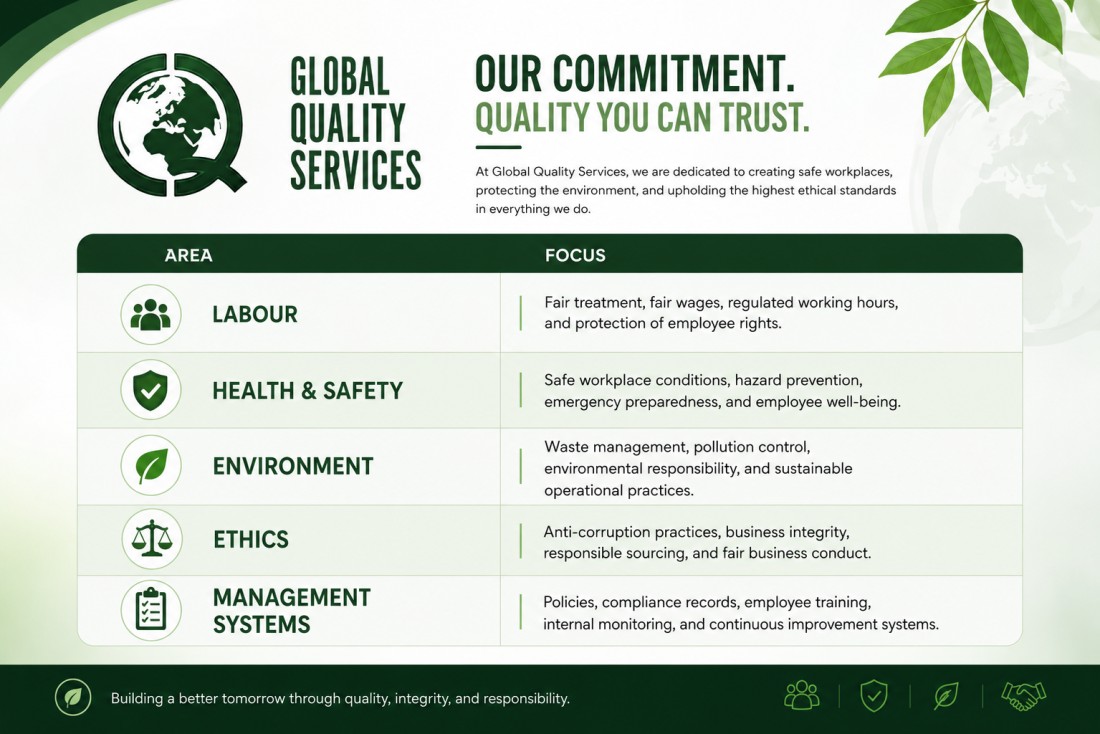
The RBA Code of Conduct focuses on five main areas:
Why RBA Compliance is Important for Indian Manufacturers
India is becoming a major manufacturing hub for electronics, EV components, semiconductors, telecom equipment, industrial products, and consumer goods. As global sourcing from India increases, buyers are placing greater attention on ethical sourcing and supplier accountability.
RBA compliance helps Indian manufacturers meet these global expectations in a structured way.
Improves Eligibility for Global Supply Chains
Many international brands require suppliers to complete RBA audits before onboarding or expanding business partnerships. Without compliance, suppliers may struggle to qualify for global sourcing programs.
Supports Export Growth
Export-oriented businesses often face stricter customer audits related to labour conditions, worker safety, environmental practices, and ethics. RBA certification helps companies prepare for these assessments confidently.
Builds Buyer Trust
Large buyers want suppliers that can demonstrate transparency and responsible operations. RBA compliance shows that a business has proper systems and controls in place.
Reduces Operational Risks
The RBA framework helps companies identify gaps related to:
- Worker safety
- Overtime practices
- Documentation issues
- Environmental handling
- Internal ethics controls
This helps reduce future legal, operational, and reputational risks.
Strengthens ESG and Sustainability Goals
Many companies are now integrating ESG expectations into procurement decisions. RBA compliance supports broader sustainability and responsible sourcing initiatives.
Industries That Commonly Require RBA Certification
RBA certification is widely used across manufacturing and industrial supply chains.
- Electronics and EMS Manufacturing: Mobile phone manufacturers, PCB manufacturers, consumer electronics suppliers, and electronics assembly companies often require RBA compliance.
- Semiconductor and Component Manufacturing: Chip manufacturing, semiconductor packaging, display units, and electronic component suppliers commonly undergo RBA audits.
- Automotive and EV Supply Chains: Automotive OEMs and EV component manufacturers increasingly require supplier responsibility audits.
- Telecom and IT Hardware Manufacturing: Companies producing telecom equipment, networking products, servers, and hardware systems often need RBA compliance support.
- Consumer Goods and Industrial Manufacturing: Global retailers and industrial buyers also use RBA standards to evaluate supplier operations and workplace practices.
Our RBA Certification Services in India
Navigating the RBA Code of Conduct requires professional structural preparation. We offer complete, end-to-end support to ensure your manufacturing facilities successfully clear the VAP audit process.
- Gap Analysis and Readiness Assessment: We conduct an initial evaluation of your current workplace practices, safety protocols, and environmental systems against the latest RBA Code criteria to identify specific areas requiring correction.
- Documentation and Policy Formulation: Our specialists help draft and implement standard operating procedures, worker grievance mechanisms, anti-discrimination policies, and environmental management plans that precisely match RBA mandates.
- Internal Audits and Mock VAP Sessions: We simulate the actual third-party audit experience by conducting on-site worker interviews, management reviews, and physical facility inspections to ensure total readiness.
- Corrective Action Plan (CAP) Management: If the official VAP audit uncovers non-conformances, we guide your team through designing and implementing corrective actions to secure your target compliance score.
Step-by-Step RBA Certification Process
Understanding the process helps businesses prepare more effectively and avoid delays during audits:
|
Phase |
Objective and Key Deliverables |
|
Gap Analysis |
Assess current operational compliance and identify gaps in infrastructure, policies, labour practices, safety systems, and documentation through a detailed variance report. |
|
Implementation |
Resolve identified gaps by upgrading internal policies, improving workplace systems, updating labour contracts, strengthening safety measures, and maintaining environmental and compliance records. |
|
Pre-Audit Simulation |
Conduct mock assessments to evaluate audit readiness through sample worker interviews, document verification, and operational reviews under real audit conditions. |
|
Official VAP Audit |
Undergo an independent third-party RBA VAP audit that includes facility inspection, employee interviews, management discussions, and compliance evaluation with official scoring. |
|
Closure and Certification |
Address audit findings through corrective action plans, submit required evidence for closure, and complete the final certification process. |
Benefits of RBA Certification for Businesses
Investing in RBA compliance provides major strategic advantages that directly influence your corporate bottom line and operational stability.
- Global Competitive Edge: Holding a verified VAP audit score differentiates your business from regional competitors, making you a preferred choice during international vendor selections.
- Reduced Workplace Turnover: By implementing fair wages, regulated working hours, and humane treatment, factories experience a sharp drop in worker attrition and a corresponding rise in productivity.
- Minimized Operational Downtime: Strict adherence to the health and safety sections of the RBA Code reduces workplace accidents, injuries, and emergency structural shutdowns.
- Consolidated Audit Requirements: Because the RBA standard is accepted by hundreds of global brands, a single VAP audit eliminates the need to undergo multiple, redundant codes of conduct audits from different clients.
RBA Certification Cost in India
The total cost to achieve RBA compliance is variable and cannot be calculated as a single flat fee. Expenses depend entirely on the specific operational parameters of your business.
The primary cost components include the size of your manufacturing facility, the total headcount of permanent and contract workers, and the geographical location of your plants.
Responsible Business Alliance (RBA) Certification Consultants in India
Responsible Business Alliance Certification in Delhi | Responsible Business Alliance Certification in Bengaluru
Responsible Business Alliance Certification in Hyderabad| Responsible Business Alliance Certification in Ahmedabad | Responsible Business Alliance Certification in Chennai| Responsible Business Alliance Certification in Mumbai
Why Choose Global Quality Services for RBA Certification Services
Securing a high score in an RBA VAP audit demands deep expertise in both international labor standards and industrial operational realities. Global Quality Services brings a seasoned team of corporate compliance specialists who understand how to translate complex RBA requirements into practical, everyday workplace practices. We do not offer generic templates.
Instead, we design customized compliance pathways that respect your operational workflows while meeting strict international expectations. Our proven track record across electronics, automotive, and industrial manufacturing sectors ensures your facility navigates the audit smoothly, avoiding costly delays and scoring penalties.
Build Stronger Global Supply Chain Trust with the Right RBA Compliance Support
Global buyers today expect more than product quality. They want suppliers that can demonstrate responsible labour practices, safe workplaces, ethical operations, and reliable compliance systems. A well-prepared RBA certification process can help your business strengthen customer confidence, improve export opportunities, and reduce supply chain risks.
Whether you are preparing for your first RBA audit or improving existing compliance systems, Global Quality Services can help you move forward with practical guidance, structured implementation support, and audit-focused preparation tailored for Indian manufacturing businesses.
Frequently Asked Questions
1. How long does it take to complete RBA certification in India?
The timeline depends on the size of the facility, current compliance status, and the number of corrective actions required. In most cases, implementation and audit preparation may take a few weeks to several months.
2. Is RBA certification mandatory for all manufacturers?
No. However, many global buyers and OEMs require suppliers to meet RBA compliance standards before approving business partnerships.
3. Can small and mid-sized manufacturers apply for RBA certification?
Yes. Small and medium manufacturers supplying to international customers can also implement RBA standards and undergo audits.
4. How can businesses prepare for worker interviews during RBA audits?
Proper employee awareness training, transparent communication systems, and accurate workplace practices help businesses prepare for worker interviews more effectively.
5. Does Global Quality Services help with corrective action planning after audits?
Yes. Support can be provided for identifying root causes, preparing corrective action plans, improving documentation, and closing audit findings systematically.