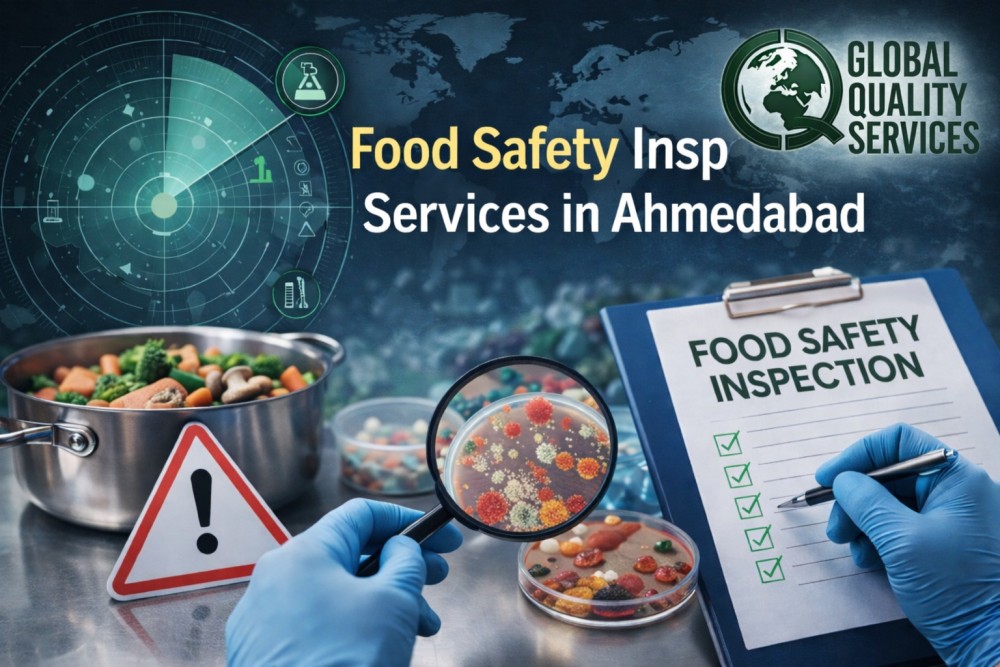
Food safety has become a critical responsibility for every food business operating in Mumbai. Restaurants, cloud kitchens, food manufacturers, catering companies, and food distributors must follow strict hygiene and safety regulations to protect consumers and maintain compliance with national food safety laws. Regular inspections help identify operational risks early and ensure businesses follow proper food handling and sanitation practices.
According to the Food Safety and Standards Authority of India (FSSAI), every food business involved in manufacturing, processing, packaging, storing, distributing, or selling food must obtain an FSSAI registration or license and comply with food safety standards established under the Food Safety and Standards Act, 2006.
The scale of regulation in India is significant. As of 2025, more than 1.4 crore food businesses are registered with FSSAI, and hundreds of food safety inspections are conducted daily across the country to monitor compliance and protect public health.
Another important indicator highlights why inspections matter. A long-term analysis of food testing in India shows that around 25 percent of food samples tested between 2014 and 2025 did not meet safety or quality standards, due to issues such as contamination, substandard quality, or labeling violations.
For food businesses in Mumbai, this regulatory environment makes professional food safety inspection services essential. Independent inspections help organizations evaluate hygiene practices, identify compliance gaps, and implement corrective actions before issues escalate into regulatory penalties or reputational damage.
A structured inspection process not only helps businesses meet regulatory expectations but also strengthens customer confidence and operational standards across the food supply chain.
Why Food Safety Inspections Are Essential for Businesses in Mumbai
Running a food business in a city as vibrant as Ahmedabad requires a balance of taste and trust. Inspections are not just about passing a government check; they are about protecting your brand from long-term damage.
- Legal Compliance: The Food Safety and Standards Act (2006) mandates specific hygiene and documentation practices. Regular inspections ensure you are prepared for surprise visits from AMC officers.
- Risk Mitigation: Identifying potential contamination or storage issues early prevents foodborne illnesses that could lead to mass lawsuits or permanent closure.
- Market Reputation: In the digital age, one negative report or a sealed notice from the municipal body can go viral instantly. Professional audits help you maintain a clean track record.
- Operational Efficiency: Inspections often reveal waste in the supply chain, such as improper temperature controls or stock management issues, helping you save money over time.
Industries We Serve in Ahmedabad
We provide tailored inspection solutions across various sectors in the city:
- Restaurants and Cafes: From fine dining in Bodakdev to bustling cafes on S.G. Highway.
- Food Manufacturing Units: Industrial audits for plants in Odhav, Naroda, and Sanand.
- Hotels and Hospitality: Ensuring large-scale kitchen operations meet international safety benchmarks.
- Catering Services: Managing safety protocols for weddings and corporate events.
- Cloud Kitchens: Specialized hygiene monitoring for delivery-only models.
Benefits of Professional Food Safety Inspection Services
Food safety inspections provide more than regulatory compliance. They help businesses improve their internal processes and maintain consistent quality standards. Below are some of the key benefits:
Identifying Regulatory Gaps
Our inspectors find exactly where your facility falls short of FSSAI standards before the government does. We check technical details like drainage, lighting, and handwashing stations to prevent your business from being penalized.
Protecting Your Brand Reputation
Professional audits build a layer of reputation insurance. By maintaining a clean track record, you avoid the viral negative publicity that follows a hygiene violation.
Improving Operational Efficiency
Safety audits often reveal waste in the supply chain. Optimizing your storage and stock rotation not only improves safety but also reduces overhead costs and spoilage.
Enhancing Staff Competence
We educate your team on the why behind safety protocols. This shifts the culture from doing the bare minimum to taking pride in a hygienic workplace.
Streamlined Documentation
We review your pest control logs, medical certificates, and cleaning schedules. Complete records speed up FSSAI renewals and prove professional management to authorities.
Comprehensive Food Safety Inspection Services We Offer
Food businesses face multiple compliance requirements depending on their size and operations. Professional inspection services help evaluate hygiene practices across every stage of food preparation and handling. The following services are commonly included in a complete inspection program:
Food Hygiene and Sanitation Inspections
This inspection evaluates the cleanliness of food preparation areas, kitchen equipment, storage spaces, and employee hygiene practices. Inspectors check sanitation procedures, cleaning schedules, pest control systems, and waste disposal practices.
Kitchen and Food Processing Facility Audits
Facility audits review the overall environment where food is prepared or processed. This includes equipment hygiene, ventilation systems, production areas, and contamination prevention controls.
FSSAI Compliance Inspections
These inspections verify that food businesses follow the standards defined by the Food Safety and Standards Authority of India. Inspectors assess documentation, hygiene practices, food storage systems, and operational procedures.
HACCP and ISO 22000 Readiness Inspections
Businesses planning to implement food safety management systems often require a readiness assessment. Inspections help identify gaps that must be addressed before certification audits.
Food Storage and Handling Evaluations
Proper storage conditions are critical for maintaining food safety. Inspectors evaluate temperature controls, refrigeration systems, labeling practices, and inventory management procedures.
Supplier and Vendor Food Safety Audits
Many food businesses depend on third-party suppliers. Vendor audits help verify that suppliers follow proper hygiene and food safety standards.
Our Food Safety Inspection Process
A structured inspection process ensures that all aspects of food safety are evaluated carefully and consistently:
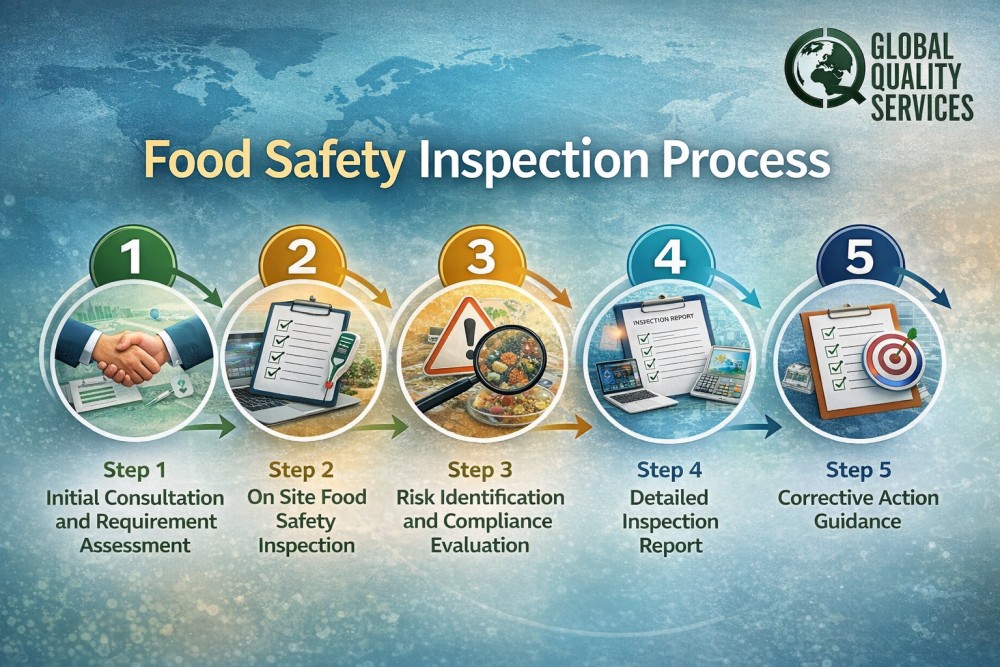
Step 1: Initial Consultation and Requirement Assessment
The inspection process begins with understanding the type of food business, scale of operations, and regulatory requirements. This helps define the scope of the inspection.
Step 2: On-Site Food Safety Inspection
Experienced inspectors visit the facility and examine food preparation areas, storage spaces, equipment, and employee hygiene practices.
The inspection includes observation of real-time processes such as food preparation, cleaning procedures, and storage management.
Step 3: Risk Identification and Compliance Evaluation
After the inspection, potential risks and compliance gaps are identified. These may include sanitation issues, improper storage practices, or documentation gaps. Each issue is evaluated based on its impact on food safety.
Step 4: Detailed Inspection Report
A comprehensive report is prepared that outlines inspection findings. The report typically includes observed hygiene conditions, identified risks, areas requiring improvement, and compliance status with food safety regulations.
Step 5: Corrective Action Guidance
Businesses receive clear recommendations on how to address identified gaps. This guidance helps organizations improve their hygiene practices and achieve regulatory compliance.
Why Choose Global Quality Services for Food Safety Inspection in Mumbai
Global Quality Services provides professional inspection services designed to support food businesses in maintaining hygiene standards and regulatory compliance:
Key strengths include:
- Experienced inspectors with knowledge of food safety regulations
- Structured inspection methodology based on industry standards
- Detailed inspection reports with clear improvement guidance
- Understanding of FSSAI compliance requirements
- Practical recommendations that businesses can implement easily
- Support for different types of food businesses across Mumbai
Secure Your Food Business Reputation Today
Food safety is directly connected to your brand reputation. A single hygiene issue can lead to regulatory penalties, negative publicity, or loss of customer trust. Regular inspections help businesses identify risks early and maintain consistent safety standards.
Professional inspections also demonstrate your commitment to quality and responsible food handling. Whether you operate a restaurant, catering service, cloud kitchen, or food manufacturing facility, regular food safety inspections help ensure your operations meet regulatory expectations.
Partnering with Global Quality Services allows businesses to evaluate their food safety practices with confidence and strengthen compliance with industry standards.
Frequently Asked Questions
1. How often should food safety inspections be conducted for restaurants
The frequency of inspections depends on the scale and risk level of the food operation. Many restaurants conduct internal inspections monthly and professional third-party inspections at least once a year.
2. Can food safety inspections help prepare for FSSAI audits
Yes. Independent inspections help identify compliance gaps before regulatory audits. Businesses can correct these issues early and improve their chances of passing official inspections.
3. Are food safety inspections required for cloud kitchens
Yes. Cloud kitchens must follow the same hygiene and safety standards as traditional restaurants. Regular inspections help maintain compliance with food safety regulations.
4. What type of businesses benefit most from professional food safety inspections
Restaurants, food manufacturers, catering companies, cloud kitchens, and food processing units benefit significantly because inspections help them maintain safe operations and regulatory compliance.
5. How do experienced inspection providers evaluate food safety risks
Professional inspectors typically review operational procedures, facility hygiene, and food-handling practices. Companies with strong inspection expertise also provide detailed reports that help businesses understand and correct safety gaps.